LOFAR-BG TU-Sofia Students Young Researchers Radio Astronomy Universe Astrophysics Geophysics
Researchers and Students from TU-Sofia Participate in the Construction of Bulgaria’s First Professional Radio Telescope LOFAR-BG
Share
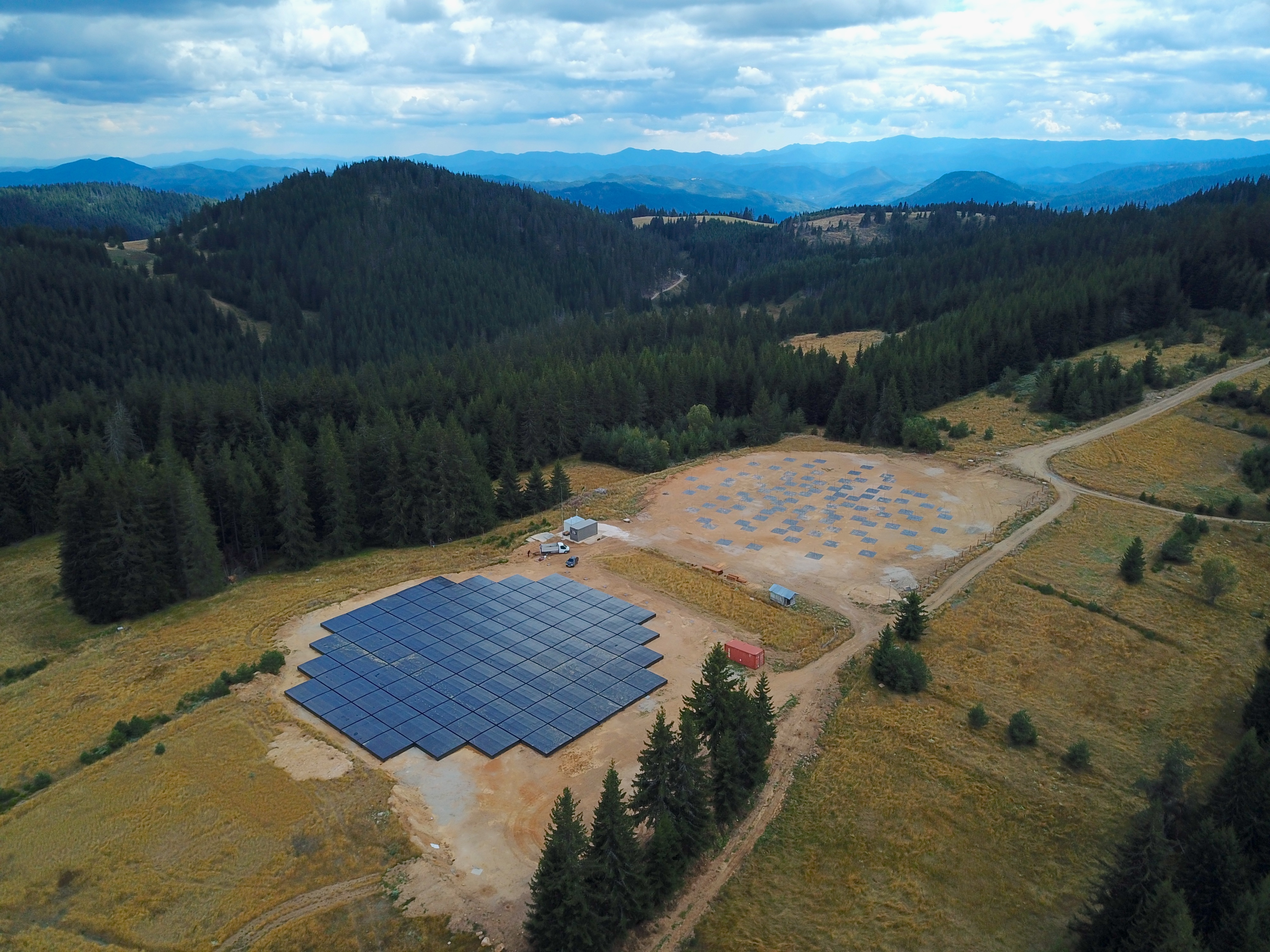
Researchers from the Department of Radio Communications and Video Technologies at the Faculty of Telecommunications of Technical University of Sofia participated in the construction of Bulgaria’s first professional radio telescope LOFAR. In partnership with colleagues from the Institute of Astronomy with the National Astronomical Observatory at the Bulgarian Academy of Sciences (IA with NAO, BAS), Sofia University “St. Kliment Ohridski”, and Konstantin Preslavsky University of Shumen, the researchers built the two antenna arrays and the associated infrastructure of the first Bulgarian professional radio telescope, now part of the pan-European LOFAR network. View from above of the completed Bulgarian LOFAR station
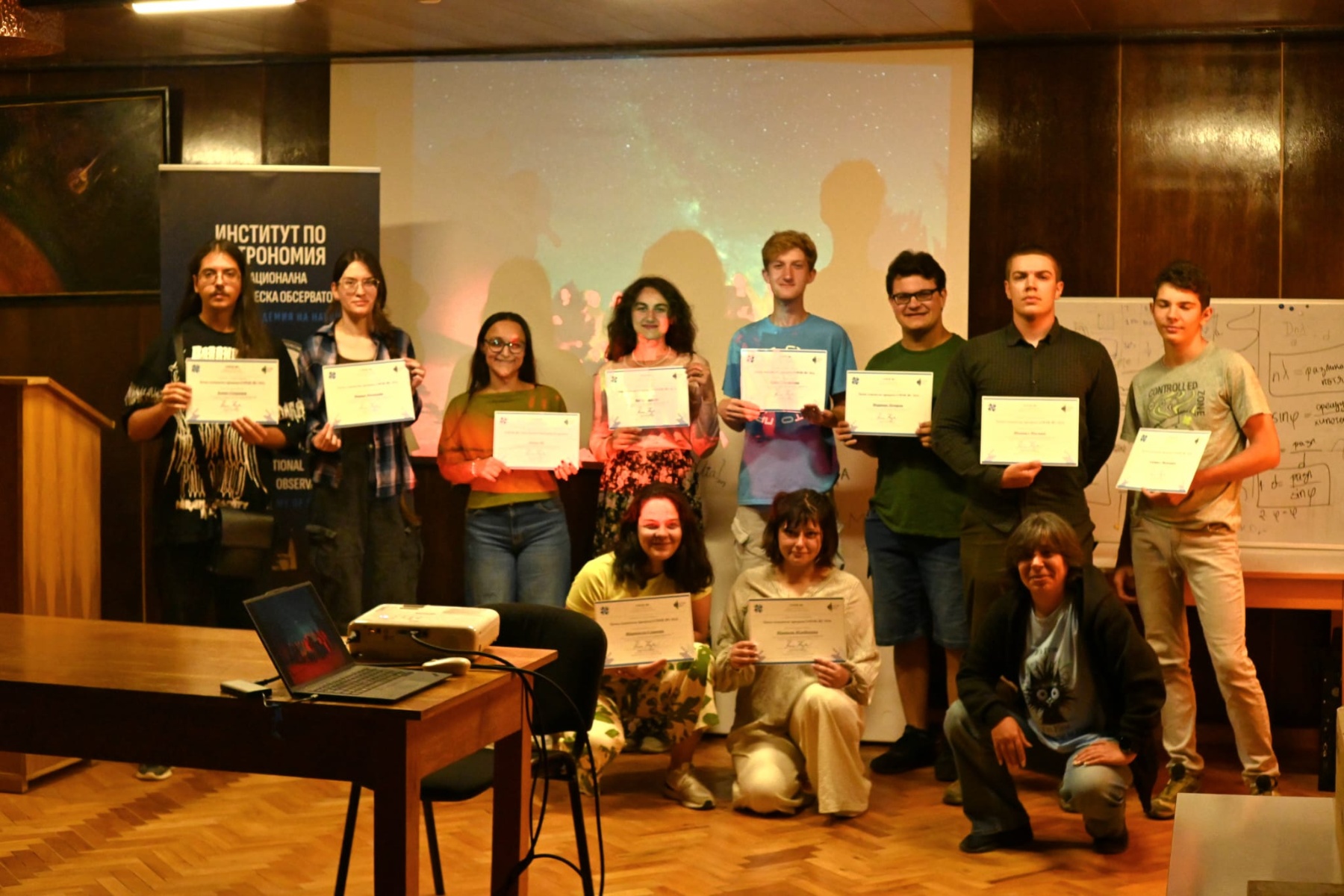
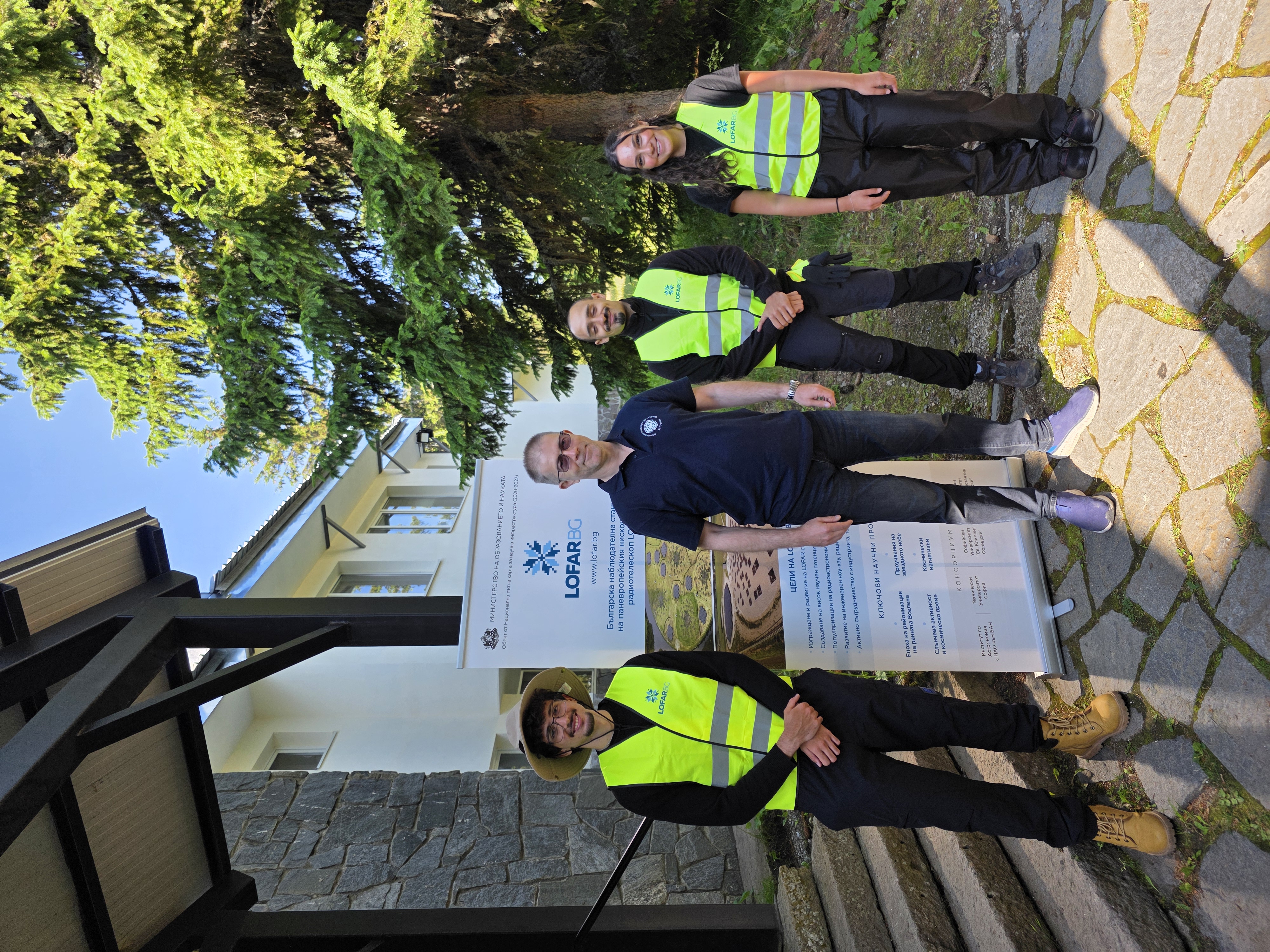
The facility, located in the immediate vicinity of NAO Rozhen, is the 53rd station in the European network and the first in Southeastern Europe. The final stage of the process is now underway – full certification of the station and the start of scientific operations, which is expected in early 2027. More than 25 students, PhD candidates, and young researchers actively participated in the construction of the station. Divided into three groups during the summer of 2026, as part of a specially organized radio astronomy internship, the interns carried out most of the manual labor involved in installing the hundreds of low- and high-frequency antennas on site. They received special certificates for their participation. Engineering students Krum Georgiev, Gabriela Gancheva (Faculty of Transport), and Angel Dimitrov (Faculty of Telecommunications) initiate the installation process.
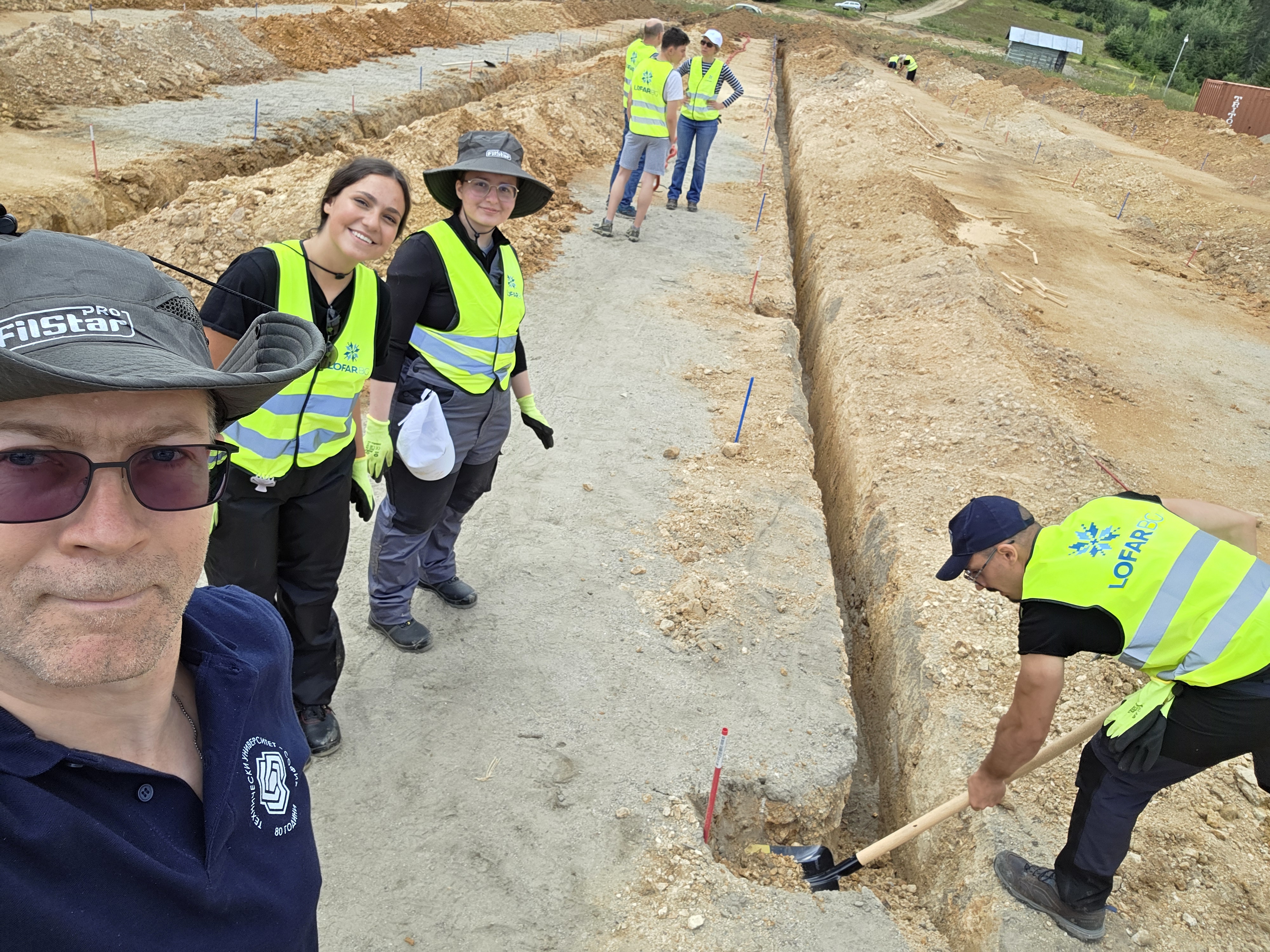
Young engineers from the Faculty of Transport and the Faculty of Telecommunications at TU-Sofia actively participated in the preparatory phase and the three active phases of the project. Project coordinator for TU-Sofia is Assoc. Prof. Petar Petkov. Engineering students Angel Dimitrov (Faculty of Telecommunications), and Gabriela Gancheva (Faculty of Transport) prepare the trench for the coaxial cables.
Thanks to the station, Bulgarian scientists will be able to conduct research in various fields, including: the Epoch of Reionization of the early Universe, extragalactic radio transients, heliophysics and space weather, cosmic magnetism, as well as in geophysical fields such as ionospheric dynamics, cosmic rays, and lightning physics.
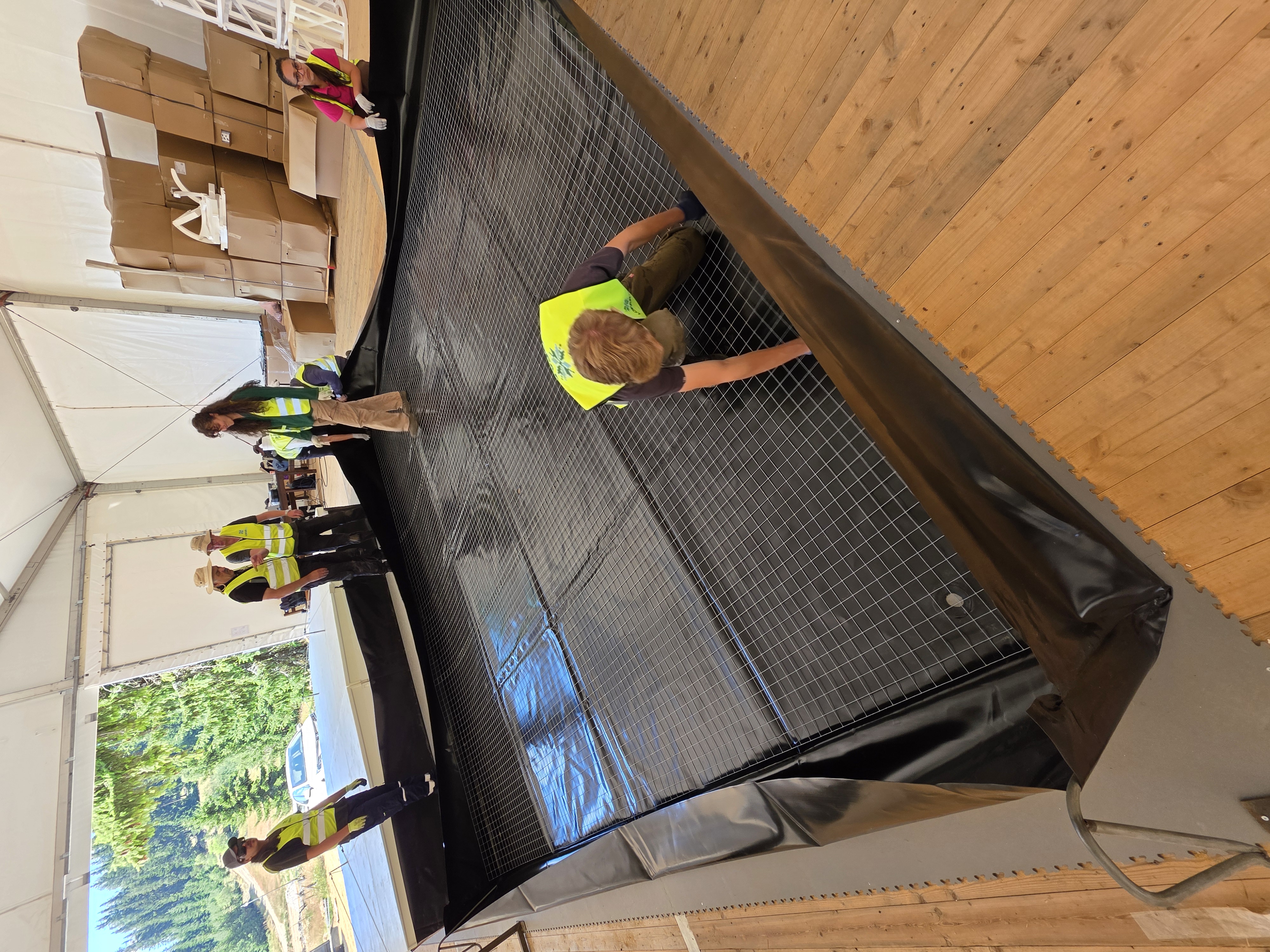
Engineering student Sava Stefanov installs the antenna panel cover.
The project also provides for the development of capacity to process petabytes of data using artificial intelligence methods, training the next generation of scientists to work with the telescope, and expanding the consortium with new partners.
Engineering student Sava Stefanov installs the antenna panel mesh reflector.
As the first station of the network in Southeast Europe, LOFAR-BG is of great importance, as it is the southernmost and easternmost point of the International LOFAR Telescope. Thanks to its location, it extends the network’s longest baseline to approximately 2,500 km, significantly improving the angular resolution and image quality for all astronomers working with the telescope.
The project is funded under the Roadmap for Research Infrastructure of the Republic of Bulgaria for the period 2020–2027, coordinated by the Ministry of Education and Science.
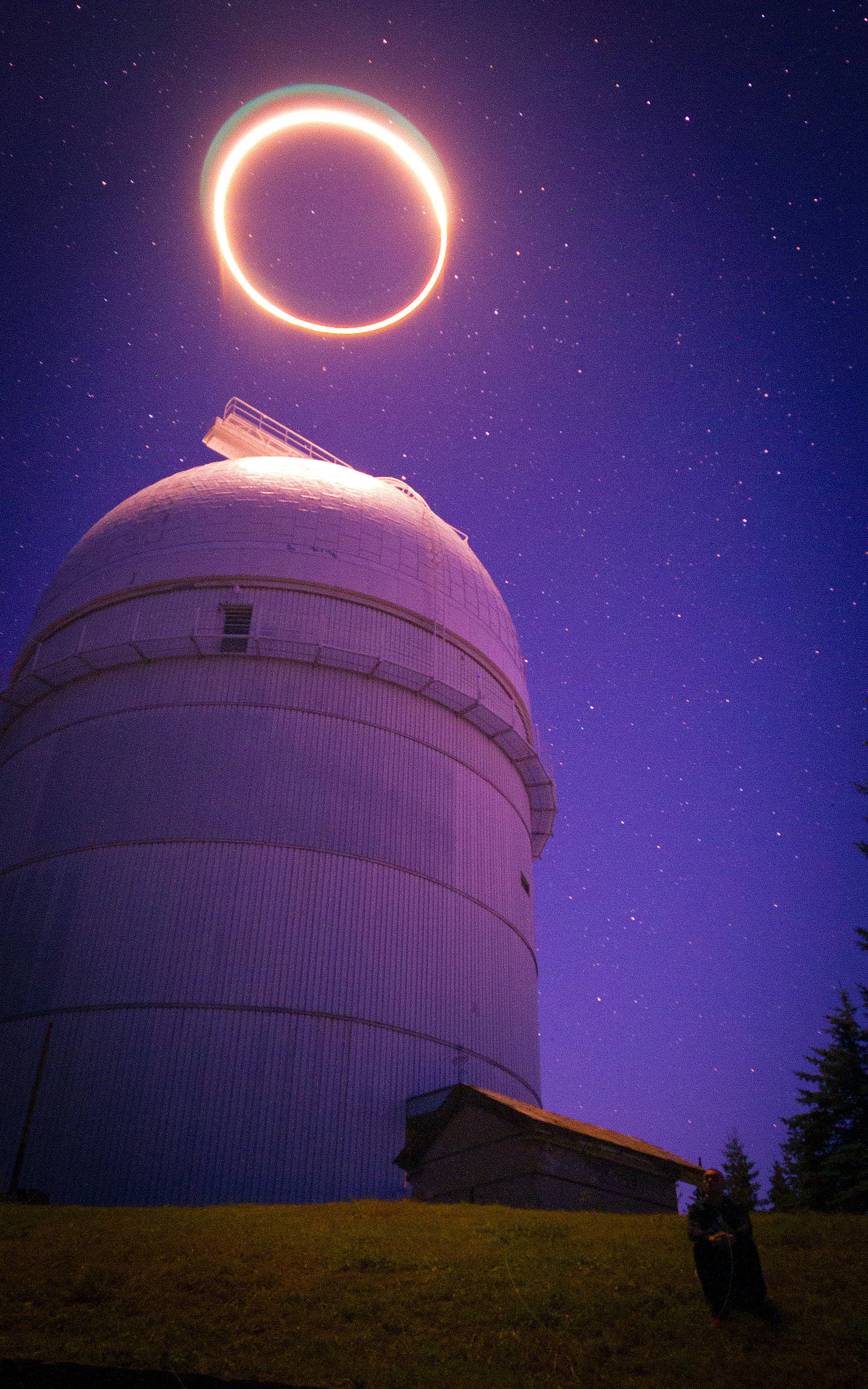
Bulgaria has also been a founding member of the LOFAR European Research Infrastructure Consortium (LOFAR ERIC) since December 2023. Artistic drone photograph over NAO Rozhen, Engineering student Sava Stefanov, Aerospace Engineering (Faculty of Transport).